If there’s one skincare step I misunderstood for years, it was exfoliation. I thought it meant scrubbing my face until it felt “clean.” And then I’d skip it entirely because I worried about the irritation. After digging into the research behind how to exfoliate your face, I realized it’s more about supporting the skin’s natural renewal process.
Our skin is already designed to exfoliate itself. The goal isn’t to force that process, but to gently assist it when it slows down or gets disrupted. When I shifted to a more intentional approach I noticed calmer, more resilient skin. The key was understanding what was actually happening at the cellular level.
What Is Exfoliation (and What’s Happening Under the Surface)?
To really understand how to exfoliate your face naturally, it helps to look at what your skin is doing every single day. The skin’s outermost layer, the stratum corneum, is made up of several dozen layers of dead skin cells (called corneocytes). These cells are held together by glue like lipids and are constantly shedding in a process called desquamation.
In healthy, younger skin, this cycle takes about 28 days. As we age, or when skin is stressed, dry, or inflamed, that process significantly slows down. When dead skin cells don’t shed efficiently, a few things happen:
- The skin starts to look dull or rough
- Pores appear larger or more clogged
- Skincare products can’t penetrate as effectively
- Texture becomes uneven
Exfoliation works by helping remove these excess cells before they naturally fall away. How you remove them though is the important part. There are basically two ways to exfoliate. Either physically remove skin cells, or dissolve the bonds holding them together.
The Best Exfoliator For The Face: Manual vs. Chemical
Many people imagine DIY sugar scrubs when it comes to the best natural face exfoliator. However, physical exfoliators, like sugar and salt scrubs, are only part of the picture. There are also chemical peels or exfoliators. These sound harsh and unnatural, but there’s more nuance to it.
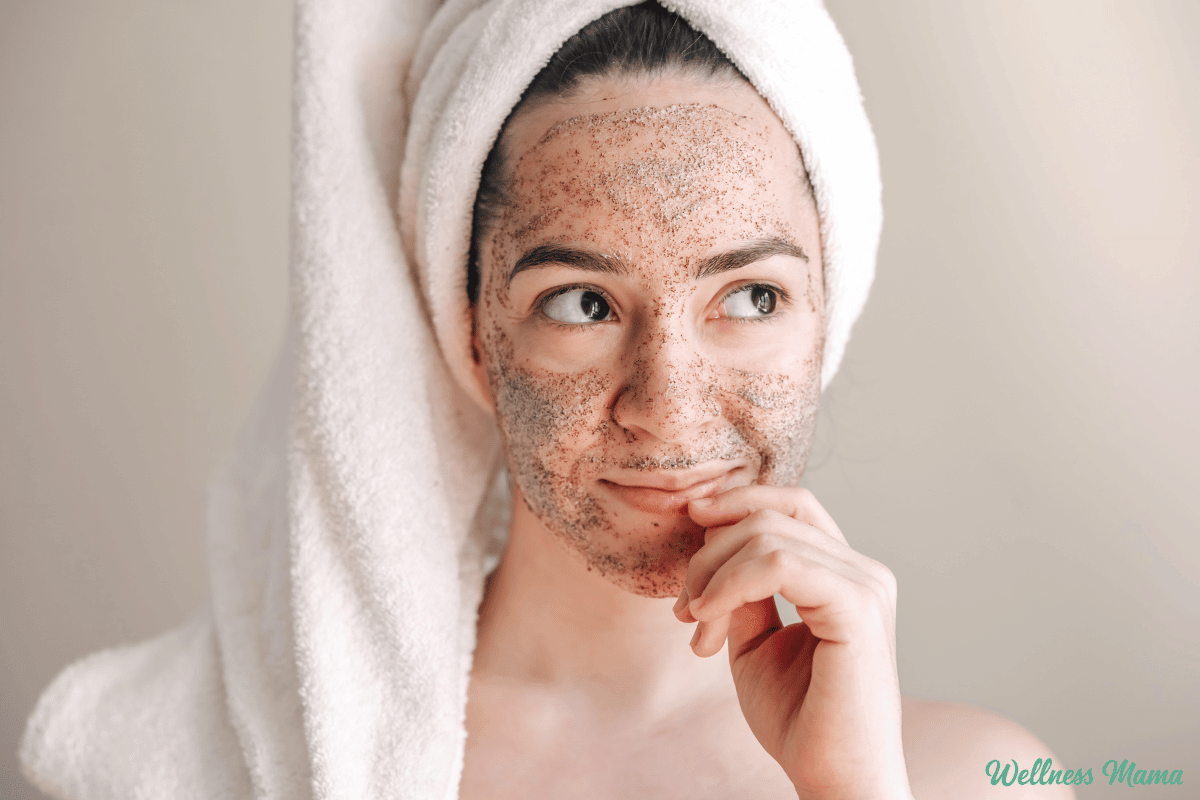
Manual exfoliation uses friction (scrubs, cloths, or brushes) to physically remove dead skin cells. The process seems straightforward enough. You’re buffing away buildup and revealing smoother skin immediately.
However, physical exfoliation is non-selective. It doesn’t just remove dead cells, it can also disturb living cells underneath. Studies show that aggressive physical exfoliation can cause microdamage to multiple layers of the stratum corneum and increase transepidermal water loss, weakening the skin barrier.
Once the barrier is disrupted, skin loses moisture more easily and becomes more prone to irritation. This is why the type of particles used matters. Smooth, fine particles are far less likely to create microtears than jagged materials like crushed shells or seeds.
Chemical Exfoliation: A More Targeted Approach
Chemical exfoliants work differently. Instead of scrubbing, they use acids or enzymes to break down the bonds (called desmosomes) that hold dead skin cells together. Yes, there are harsh chemical peels that can strip away the top layer, but there are also easy and gentler ways to do it naturally at home.
This allows the cells to shed more evenly and with less stress. The benefits of chemical face exfoliants include:
- It’s more uniform (no uneven pressure from your hands)
- It’s more controlled (you adjust strength by concentration, not force)
- It’s often gentler on skin’s deeper layers
Chemical exfoliants also work slightly deeper within the stratum corneum, helping to normalize the natural shedding process rather than forcing it at the surface.That said, “gentler” doesn’t always mean “risk-free.” Strong acids can still irritate or damage the skin if overused, especially at higher concentrations or when combined with other active ingredients.
I learned this the hard way when I tried layering too many exfoliating products at once. My skin didn’t glow… it protested.
Side Effects and Precautions (What Your Skin Barrier Is Telling You)
The skin barrier is made up of lipids and tightly packed cells that protect against water loss, bacteria, and environmental stress. When exfoliation is too aggressive, that barrier becomes compromised and damaged. Our skin is there to protect what’s underneath, so we don’t want to exfoliate all of that away!
Signs of over exfoliation include:
- Redness or stinging
- Tightness or dryness
- Increased sensitivity
- Breakouts or inflammation
Over-exfoliation is actually one of the most common skincare mistakes. It’s best to start gently and adjust based on your skin’s individual response.
Who Should Not Exfoliate?
Young children have a much faster skin cell turnover rate, so they really don’t need any special face exfoliants. Those with irritated skin should also skip the exfoliators. Exfoliation can cause even more damage for those with rosacea, eczema, sunburn, or otherwise damaged skin.
More exfoliation doesn’t equal better skin. In fact, the healthiest skin I’ve had came from doing less, but doing it more intentionally.
When and How Often to Exfoliate (Based on Skin Biology, Not Trends)
Because exfoliation affects your skin’s renewal cycle, frequency matters more than most people think. Since the natural cell turnover cycle is about 28 days (and slower as you age), exfoliation is meant to support that rhythm, not override it.
In general, exfoliation can work best:
- 1–2 times per week for most skin types
- Up to 2–3 times for oilier skin (with gentle methods)
- Once a week or less for sensitive skin
Why not more? Because skin needs time to rebuild its barrier and regenerate new cells. Over-exfoliating interrupts this process and can actually slow healing and renewal. A gentle, regular routine works better than aggressive exfoliation done occasionally.
Even timing can play a role.
Exfoliating in the evening helps remove impurities that have accumulated throughout the day and supports the skin’s regenerative process. Morning exfoliation supports skin in a different way. Our skin naturally renews while we sleep, leading to more dead skin cells on the surface. Exfoliating in the morning can help the body better remove these and absorb the beneficial ingredients of your morning skincare products.
What to Do Before and After Exfoliating (Supporting the Process)
It’s helpful to take a step back and look at the whole picture when it comes to a healthy skincare routine. Before exfoliating it helps to first use a gentle cleanser, unless you’re cleansing and exfoliating in one step. Even slightly damp skin helps the process and protects deeper skin cells.
Clean skin allows exfoliants to work evenly and reduces the risk of pushing debris deeper into pores.
After Exfoliating: Repair and Replenish
After exfoliating your face is a great opportunity to support the fresh, clean skin underneath. Skin is more permeable and more likely to absorb other skincare products. I like to follow it up with simple aloe vera or natural moisturizer.
Exfoliation temporarily thins the outer layer of the skin, which can make it more vulnerable to UV damage. Supporting and protecting the skin afterward is just as important as the exfoliation itself.
How To Exfoliate Your Face With Natural Options
Here are some different DIY face exfoliants to add to your skincare routine. Some use manual exfoliants (like sugar), while others use “chemical” exfoliants, like the gentle acids in yogurt and lemon.
I’ve also included some of my favorite pre-made options if you want something quick and easy. There are several brands I rely on for clean ingredients that nourish skin deeply at a cellular level.
DIY Face Exfoliation
Face Exfoliation Tools
Pre-Made Face Exfoliants
Gently exfoliate your face with chemical and manual exfoliants from some of my favorite skincare brands.
Final Thoughts On Exfoliating Your Face
Learning how to exfoliate your face naturally is really about understanding your skin’s biology and working with it, not against it. Exfoliation isn’t just a cosmetic step, it’s a way to support your skin’s natural renewal process at the cellular level.
Face exfoliation can improve skin texture, brightness, and overall skin health. It’s important to find the balance to keep skin strong and resilient, not irritated though. If you’re not sure where to start, try choosing a gentle method once a week and see how your skin responds.
How do you exfoliate your face? Any tips I missed? Leave a comment and let us know!