
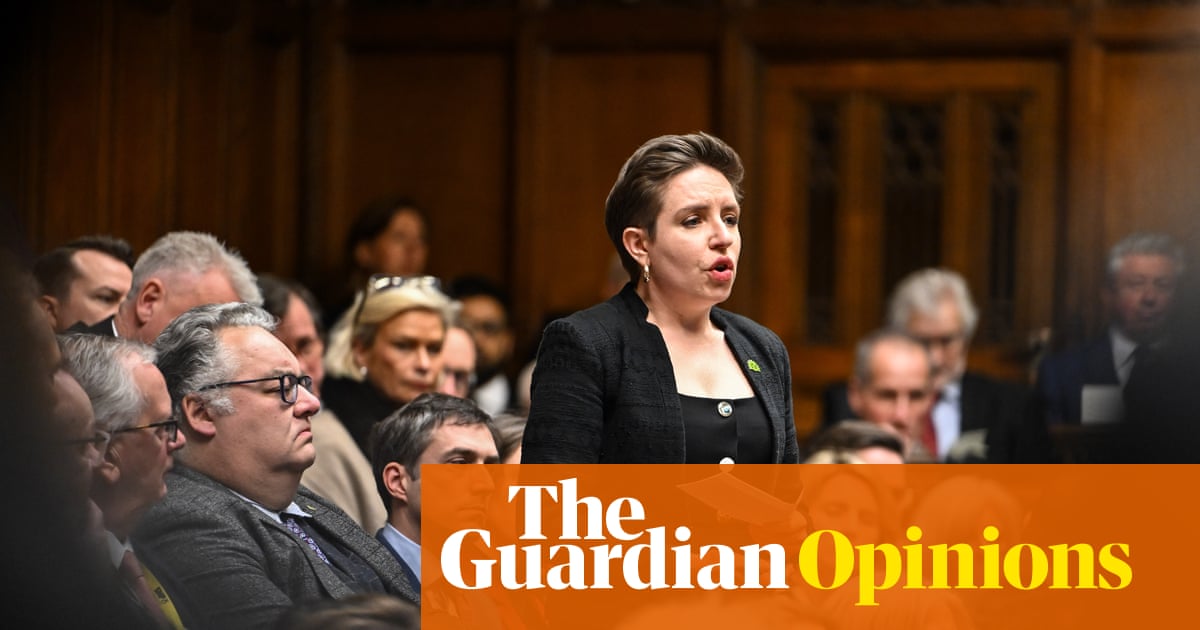
Carla Denyer is taking some time out.
The Bristol Central MP and former Green party co-leader says she is suffering from burnout after trying to juggle health issues on top of the job and has been advised by her doctor to take a break. In an ideal world, most people would just wish her a swift recovery and get on with their lives, as quite a lot of MPs from normally rival parties duly did, on the grounds that you never really know what is going on under the surface of someone else’s life. But Denyer’s call for an “open conversation” about burnout has inevitably also resulted in the usual spasm of online venom, snark and angry men on radio phone-ins asking why politicians can’t handle “a few emails” without needing a lie-down when nurses and teachers just have to soldier on regardless. (Though given that mental health issues are the most common cause of days off in the NHS in England, while teachers apparently claim the highest levels of work-related stress, depression and anxiety in Britain, Denyer might be right to suggest in her statement that they’re the ones most likely to understand.)
Sign up to Matters of Opinion
Guardian columnists and writers on what they’ve been debating, thinking about, reading, and more
after newsletter promotion
Rather harder to dismiss as performative rage, however, is the backlash from some arguing that they feel burnt out too – often from caring for elderly parents or disabled children, as much as from work – but either can’t afford to stop or don’t have the choice.
It’s no coincidence that so many of these roles involve heavy responsibility for other people. The term burnout was originally identified in the 1970s to describe a specific combination of stress plus high levels of dedication in caring professions – or a kind of price paid for being conscientious under pressure. In its strictest sense – and I have had enough dealings with Denyer to think she was using the word carefully – burnout involves not just exhaustion but often moral injury or people becoming anxious that they can’t exercise sometimes life-and-death responsibilities in the way they were trained to (and are consequently sometimes anxious that bad things will happen because of something they’ve overlooked). Though 76% of us claim to feel burnt out at work sometimes, according to a Gallup survey, clinical burnout isn’t just feeling poleaxed by a tough week. It’s dreading going to work every morning, or having panic attacks, and sometimes becoming alarmingly detached from the job as a kind of coping mechanism. The truly burnt out need to stop, not just for their own sake but everyone else’s.
Obviously it’s easier to understand why, say, doctors traumatised by the scale of death during the Covid pandemic would feel more like this than backbenchers. But Denyer wouldn’t be the first to feel overwhelmed not just by the pace of the job but by the bottomless depth of constituents’ need and the weight of expectation from people expecting you to change their lives.
The idea that being a backbench MP isn’t a real job anyway seems particularly popular with the GB News set, possibly because so many of their presenters are backbench MPs who seem to find an awful lot of spare time to go on telly. But done properly, being an MP is several jobs in one: legislator, campaigner, representative and social worker for people who end up in a constituency surgery because they don’t know where else to turn. People who are about to lose their home or their children, or get deported; people whose relatives are trapped by wars abroad, parents of children who haven’t been to school for months because nowhere caters for their special needs or disabilities, families whose toddlers are coughing because their flat is rife with mould.
Sometimes the MP can indeed work miracles. But sometimes all they can do is write a letter to someone else who might, or seek a meeting with a junior minister who sometimes in turn discovers – as the former safeguarding minister Jess Phillips said when she resigned – that they can’t get the machine to respond either. Like most stressful workplaces, parliament is consequently full of people running on adrenaline all day and struggling to get to sleep at night.
There’s one easy way never to burn out in jobs like these, and it’s to learn not to care that much. Treat your constituents or your patients or your pupils like a necessary irritant at best, dodge any obligations that aren’t actively career enhancing, develop a rhino hide and ignore any pangs of conscience. If you filled any workplace entirely with hardened cynics, they’d probably be bulletproof. Unfortunately it would be the rest of us who suffered. There has to be a better way.
The World Health Organization defines burnout as exhaustion “resulting from chronic workplace stress that has not been successfully managed”, and of course managers could be better trained and resourced to prevent it. But those most at risk perhaps are those whose stress can’t easily be managed either because it doesn’t just come from work – unpaid carers in desperate need of a break at home, for example – or because it comes from crises beyond an employer’s control. It shouldn’t be stigmatising to admit you need a break, and Denyer’s honesty is commendable. But let’s not pretend stigma is the only obstacle: sick leave also needs to be properly paid, and carers need properly funded respite. When Denyer feels well enough to return to work, there’s a conversation just begging to be started.
-
Gaby Hinsliff is a Guardian columnist
-
Do you have an opinion on the issues raised in this article? If you would like to submit a response of up to 300 words by email to be considered for publication in our letters section, please click here.